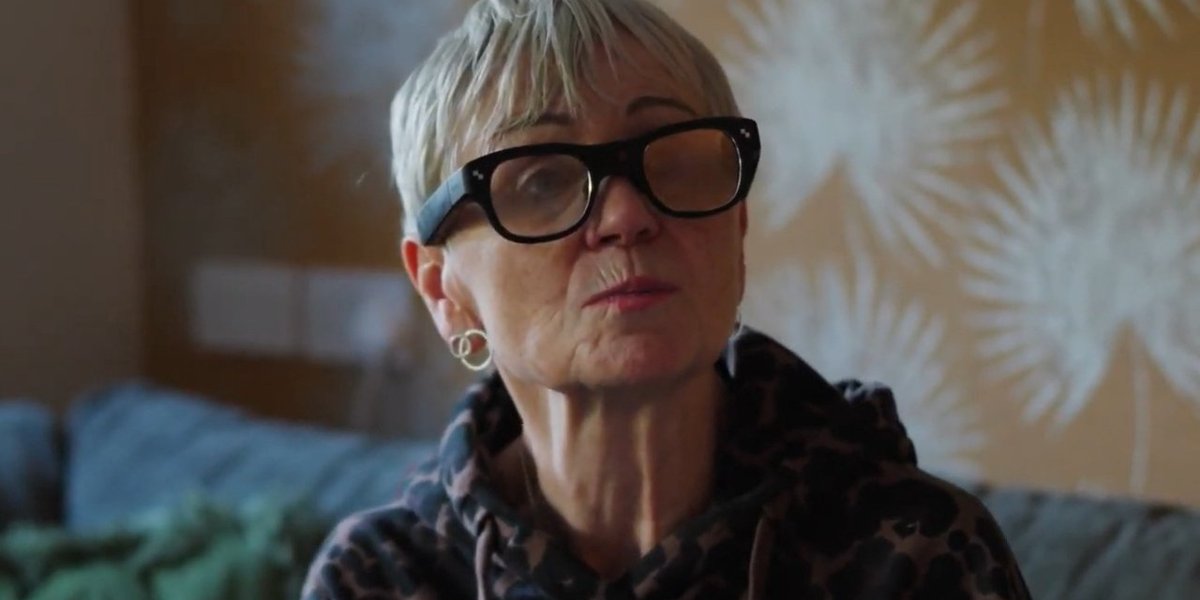
We were so busy building that we barely saw it coming: this week, the Alzheimer's Association International Conference gathers in London, and we will be there - booth #1139, 12–15 July. We are exhilarated, and not only about exhibiting. AAIC is the world's largest meeting on dementia science: a rare chance to learn directly from the people behind the work that keeps this field moving, from the World-Wide FINGERS prevention studies to established practices like cognitive stimulation therapy finding new life in virtual delivery. There are far more sessions than we can attend - more still with a booth to staff - but we have learned that this, too, is part of the experience.
The demo was never the point
We have shown CrossSense at events large and small over the years, at a pace that has only quickened since we won the Longitude Prize on Dementia in March: Naidex in Birmingham, Alzheimer's Disease International's conference in Lyon, technology-enabled care showcases with Hampshire and Essex county councils. And everywhere, the same beautiful problem: everyone wants a moment with Wispy. An intimate experience, attempted amid the noise and visual cacophony of a show floor - about as far from the living rooms we design for as it gets.
Or is it? We keep thinking of the dementia cafés where much of our co-design happened: no soundproofing there either, no quiet room next door. Real life does not offer laboratory conditions - and real life is what we design for. The bustle is half the point anyway: fellow exhibitors trading notes on talks and posters, familiar faces returning year after year, still pushing after setbacks. What keeps them going?
Somewhere along the way we understood that demonstrating at events like AAIC has little to do with proving Wispy can handle background noise, and everything to do with returning to the community that made us - the handful of memory café volunteers and coordinators who, three years ago, chose to hear out a half-formed idea and lend it their time. That welcome, more than any algorithm, is what CrossSense is made of.
The most generous researchers we know
Early in our co-design workshops, participants told us something we have never forgotten: they were not doing this for themselves. They were adding to something in their communities that would outlast them.
At first that struck us as almost impossibly selfless. Time is the very thing dementia seems to steal, yet here were people giving theirs freely - to our studies, and to longitudinal ones whose results they know they may never see - with a patience and candour that could take our approach apart and hand it back better. Experts by experience carry research across the whole of medicine, but what we see in this community is something more defiant than generosity. People living with dementia, their families and those who support them are not subjects of research. They are researchers - explorers determined to win a fight on behalf of people they will never meet.
The same side of the table
And the scientists, clinicians and innovators filling ExCeL this week? The border between them and the people they serve is thinner than a conference badge. Alzheimer's Research UK estimates that one in two of us will be affected by dementia in our lifetime - by developing it, by caring for someone who does, or both. The diseases that cause dementia take root in midlife, quietly, decades before symptoms. So everyone building evidence-based solutions is building for someone they love, or for a future self - knowing it always takes longer than you think, and working anyway, so that the future has a hopeful shape for those who come after us.
We felt this in Lyon in April, where a world-class scientific meeting doubled as a tender reunion: people who have travelled parallel and sometimes intersecting paths for decades, carried by the same defiant question. Why not? Why not work together to overcome what has eluded us for so long?
It will take a society - and this week, that society is in one room
Alzheimer's Society's rallying cry is that it will take a society to beat dementia. We find it inspiring because it is practical - a to-do list rather than a slogan. It takes the NHS and local authorities; it takes family, friends and neighbours; scientists and engineers, occupational therapists and care workers, community organisers and policymakers; it takes everyone whose life dementia has touched. The only requirement is one we have written about before: focus on the person, not the disease.
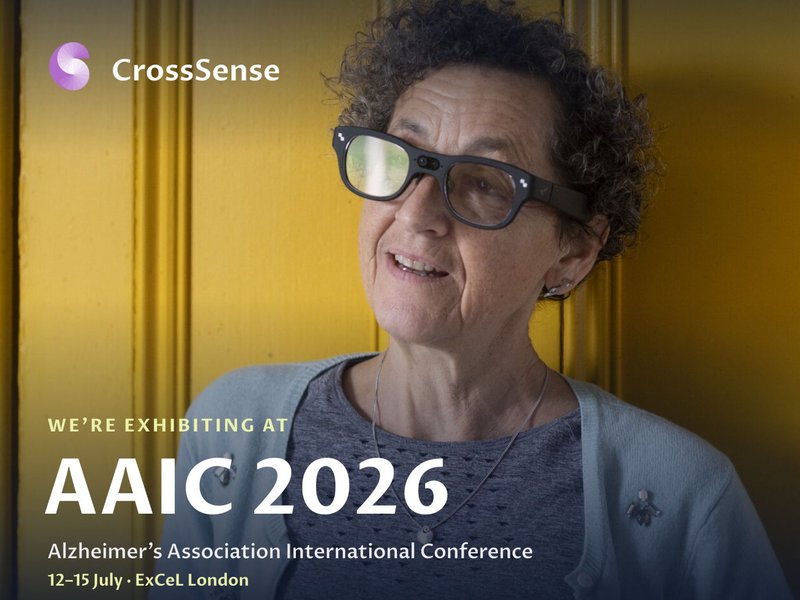
For four days, that society is in one room - and the tide is turning on several fronts at once, with the first disease-modifying treatments, blood tests approaching the clinic, and prevention evidence mounting. Our own work stands on decades of established insight that always had one limit: it could not adapt to the person in front of it. Now, sharing someone's perspective through vision, sound and motion finally makes support personal. What we imagined ten years ago, others had imagined long before us. Six months from now our closed pilot begins, and a few months after that, Wispy will start living in people's homes. From where we stand, this is what hope becoming real looks like: a long relay, extending hope, hand to hand, until it arrives.
So - what gives you hope?
To everyone at AAIC: keep dreaming across disciplines. Trade findings, look again at what once seemed not to work, and keep building practical ways to hold each other up - defying dementia at every level of human life it touches.
If you stop by booth #1139, we will not ask whether you enjoyed the smartglasses demo. We will ask what gives you hope, day to day, in the fight against dementia. Come tell us. We will be collecting answers all week, and carrying them home.
PS. The ICO has just shared the exit report from our participation in its Regulatory Sandbox - we cannot wait to share it the moment it is public.