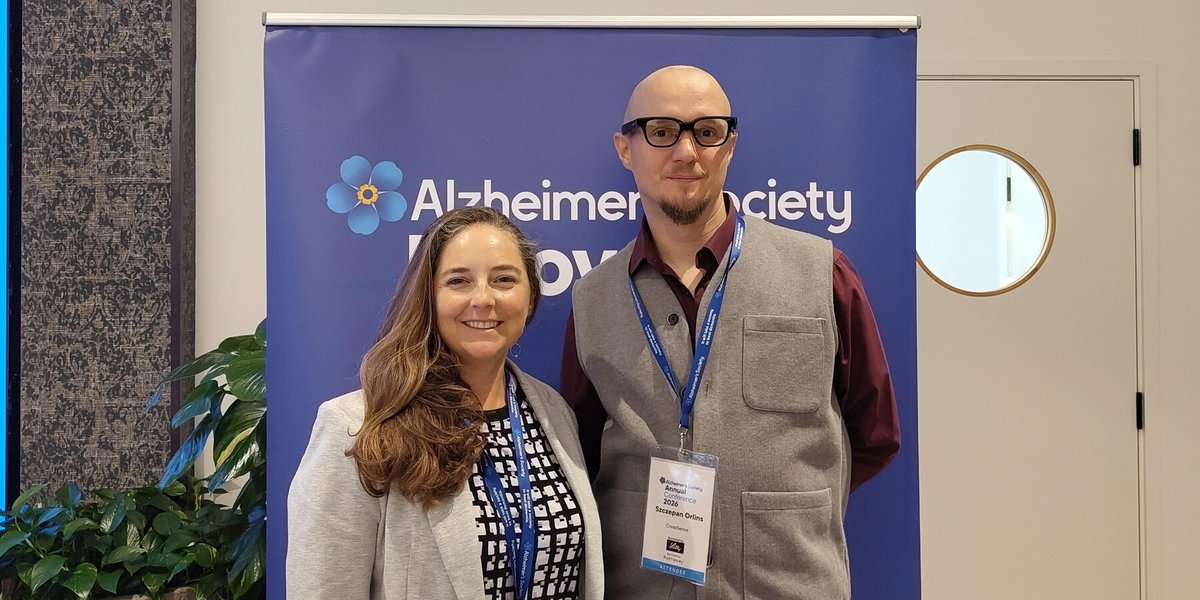
The idea behind CrossSense has been maturing for more than a decade, but our company is young. We incorporated last year and have been picking up pace since winning the Longitude Prize on Dementia in March. In June we completed the Bethnal Green Ventures (BGV) Tech for Good programme, a holistic review of our emerging business from value proposition to governance and team-building, and we remain inspired by the other teams in our cohort and those that came before us.
Equipped with an early draft of our mission principles, and emboldened by Eric Ries's excellent book Incorruptible, we used our first equity investment to overhaul our default Articles of Association with the brilliant solicitors at Bates Wells. Our mission, to “enhance human potential through independent and fulfilling daily living”, and the three principles that guide how we pursue it are now written into those Articles. Changing them requires the unanimous agreement of our directors and of all our ordinary shareholders, and each year we must report on how we have advanced and protected them. We are now writing a policy for each principle, so that they guide everyday decisions and are not just aspirations. The full text of the principles is at the end of this post.
The pursuit of agency
September was World Alzheimer's Month, and it was packed with events full of hope. At the Alzheimer's Society Annual Conference, defiant speakers set out a vision of fighting dementia at every level: prevention, earlier diagnosis, drugs that slow the disease, perhaps even a cure emerging on the horizon. Much of this effort still pushes against the decline of public social care and persistent stigma, yet in the innovation zone, where we exhibited among other inspiring startups, hope continued to beam throughout the day. We are very grateful to the Alzheimer's Society innovation team, who keep offering us strategic opportunities to exhibit, most recently at the Care Show in Birmingham.
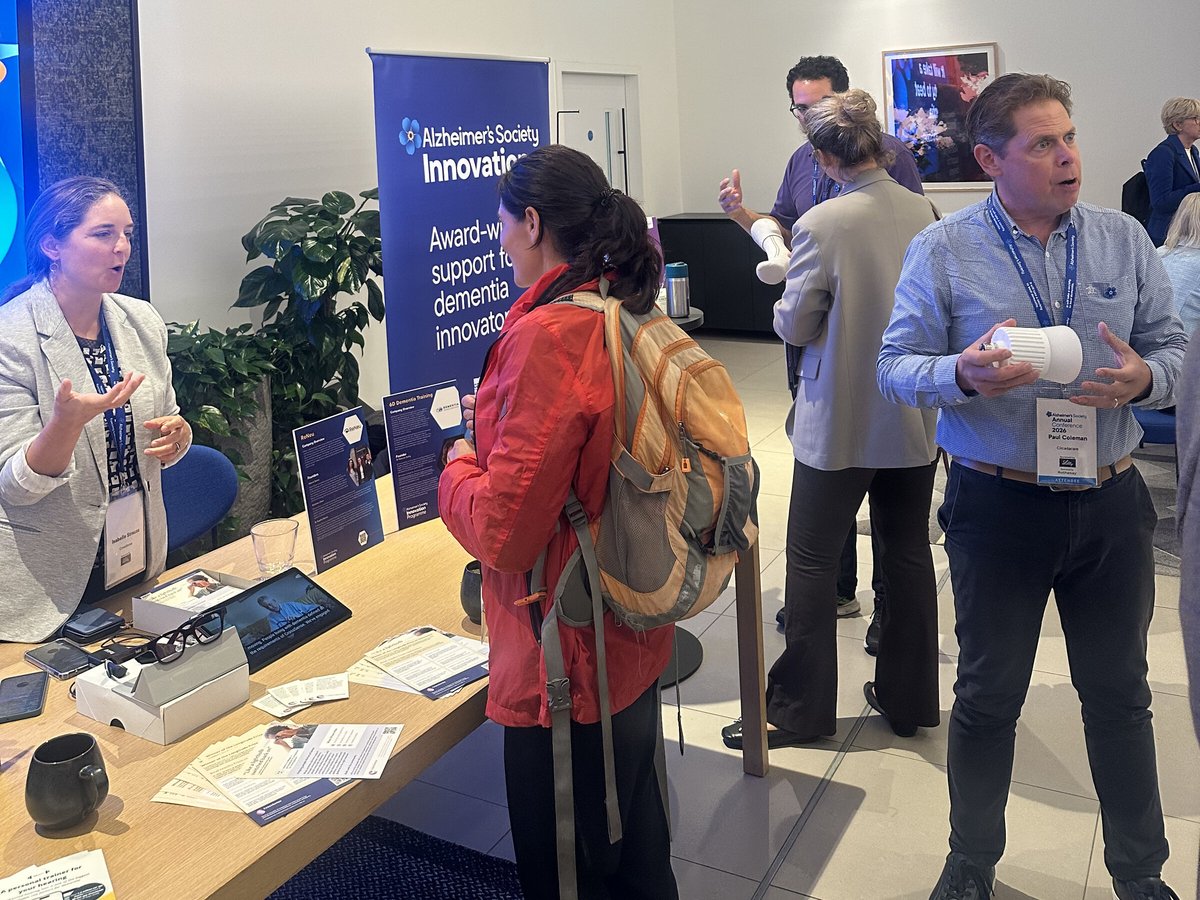
Most technologies for dementia, however, still focus on monitoring, and no one likes to feel controlled. We understand the dread that loved ones feel when they do not know what the person they care for may be doing, particularly from far away. Yet no technology to date has delivered transformative benefits for both people living with dementia and the people who love them. We believe this calls for an agency-first approach across the whole stack. As the Information Commissioner's Office (ICO) wrote in its exit report on our time in its Regulatory Sandbox: “CrossSense has applied a whole system approach from backend engineering to UX and co-design to embed data protection at all levels of their organisation and product design.”
CrossSense does not monitor people living with dementia or try to control them. It empowers them. And while we recognise the inevitable trajectory of dementia once it touches a person, we aim to use the scientific principles behind CrossSense so that its benefits persist even after the glasses come off. We continue to build that evidence through our NIHR i4i FAST research study, and we are already designing the protocol for the next one.
An ethical business model
We knew that earning revenue ethically would require a powerful product with a precise market fit. Along the way, we have learned how much it matters to people living with dementia and their carers what happens to their data. Smartglasses can capture an awful lot of information, so wherever possible we avoid collecting it in the first place. We keep raw audio and video for a very limited time, only so that we can respond to safety concerns, and our glasses now work only in and around a person's home, so we do not risk recording people in public who are unaware of being filmed.
Nor will we trade on attention. Deceptive design and dark patterns that keep people hooked are another way in for advertising-led content and data brokers, and we forgo that revenue because it would be paid for with our users' trust. Keeping that trust lets us learn from data responsibly and apply our core methodology in a truly personalised way. It may seem idealistic to rule out engagement-maximising business models, but products misaligned with their users are worse products. By aligning with people living with dementia and those close to them, we maximise the value we deliver, which builds a trusted brand and organic growth that needs less marketing spend.
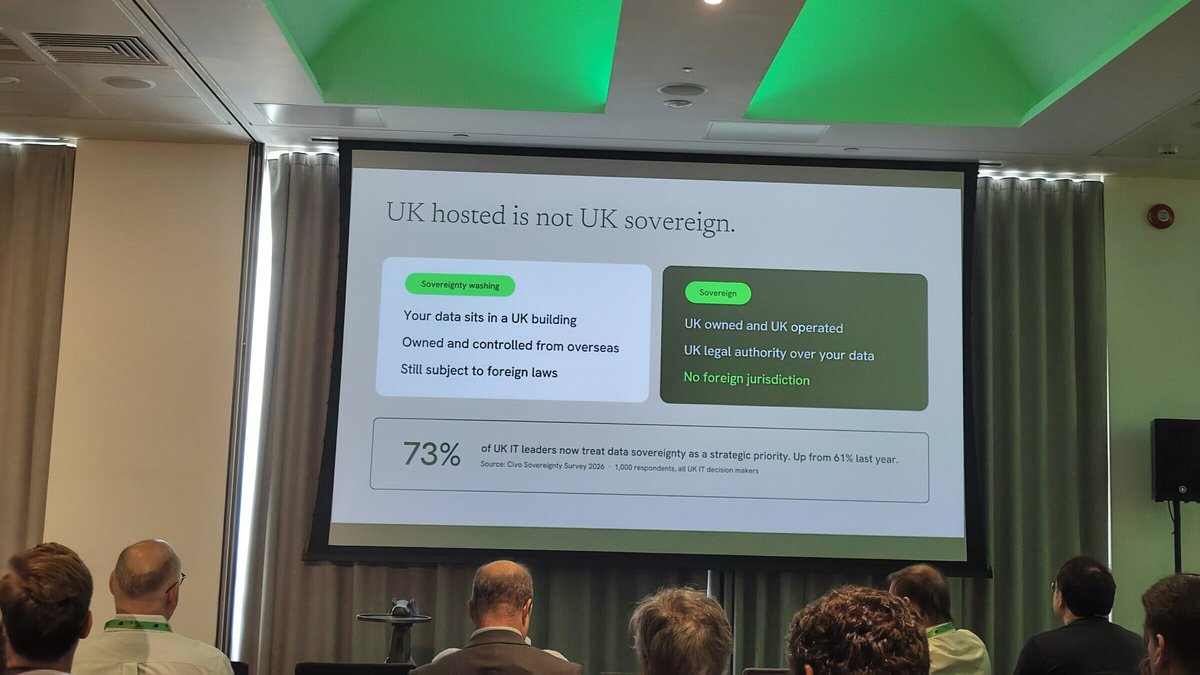
Trust also runs through our supply chain, which for us means compute: our guarantees depend on where data lives and who controls the infrastructure. Our stakeholders want their data kept safely in the UK, yet finding a hosting partner here has not been easy, with GPUs in short supply beyond the reach of the hyperscalers. So it was emboldening to attend Civo Navigate in London, where one of the opening session's punchlines stayed with us: “Sovereign infrastructure is not a limit on AI ambition. It is what makes it durable.” Civo now hosts the GPUs for our current study in London, and we have just joined their generous startup programme as we work towards launching on their infrastructure. In the same spirit, we are forming relationships with several smartglasses providers, so that CrossSense never depends on a single platform and stays under the control of the person who wears it and, where they choose, those they trust.
Adapting to communities
CrossSense will only stay relevant to the people we serve if we keep nurturing the communities that helped us build it. Ultimately, people tell us what to do: co-design with more than 300 people, including people living with dementia, carers, care workers and clinicians, has shaped every aspect of CrossSense.
We always see a person living with dementia as a capable member of a community: we have met so many brilliant volunteers in dementia cafés and pop-up meeting spaces across the country. We believe every single person can contribute meaningfully to their local community, and we know for a fact that this has positive effects on cognitive function and wellbeing.
Leading Lives, a Suffolk-based employee-owned care co-operative, has been our long-standing partner, opening doors to memory cafés we could not otherwise have reached. In 2023 and 2024, when our glasses were still large and heavy and we could not yet demonstrate a compelling prototype, they introduced us to many wonderful people who selflessly helped shape CrossSense, knowing it might not reach them in time. That fearlessness, and a generosity that reaches beyond one's own lifespan, has deepened our commitment to the dementia community. So on 25 September we were proud to sponsor and present the Values in Action award at the Leading Lives Annual General Meeting and Awards Night in Stowmarket, recognising one of their many inspiring care practitioners for bringing the co-operative's values to life in their everyday work.
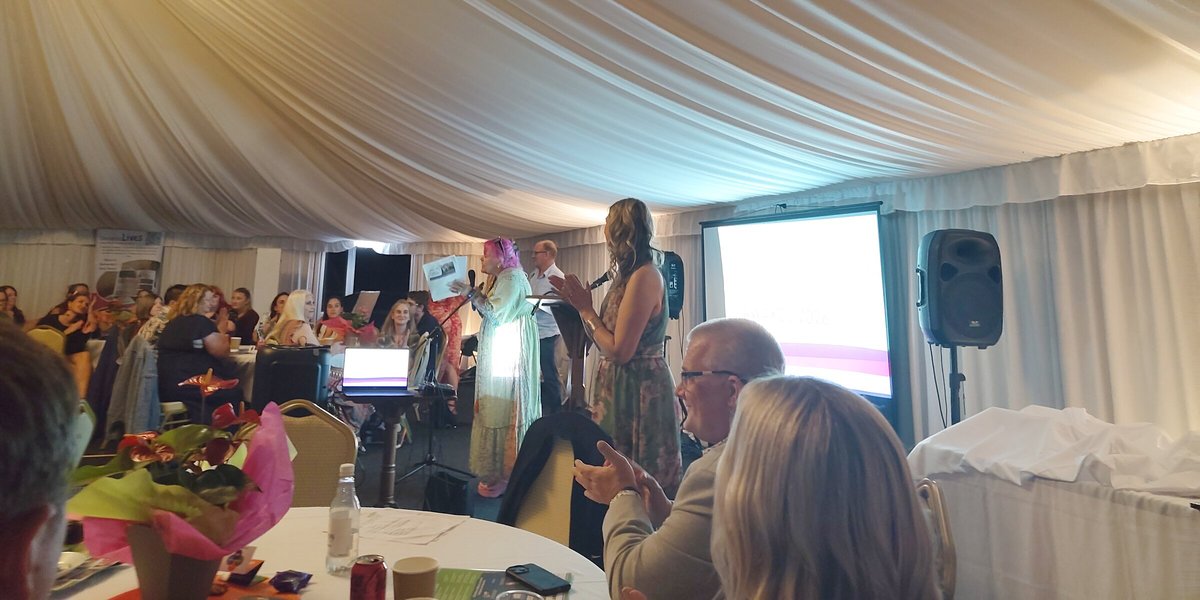
Working with communities keeps bringing joy to our work. It reminds us that defying dementia is possible, day by day, through all the successes and daily struggles, as long as we stay committed to resisting it through care and togetherness.
In September we also joined broader, industry-focused communities, including the NVIDIA Inception programme and the Personal AI Health Alliance. As we grow, we remain committed to the communities who made CrossSense possible, and to finding more ways to reciprocate their support.
Care as a practice
We did not set out to build a product and hand it over. We set out to build something that adapts, because for us care is a practice. We recognise that people living with dementia need someone (or something) that pays attention, tries things, and adjusts as their life changes. So our technology is built to tinker alongside people rather than optimise for them: to step in where it is needed, step back where it is not. The point was never to replace anyone's capabilities, but to return time and attention to the parts of life that matter: the conversation with your partner at the kitchen table, the grandchild, the neighbour and the community that holds you.
The independent daily living we hope to support is never achieved alone, which is why our companion encourages people to turn to those around them, not only to the glasses. Trust is earned by showing up, reinforcing each other's values, and being willing to be challenged: by families, by carers, by the communities that host this work, and by each other within our team. The medium we are working in has no settled paradigm yet, so the honest way to build human-centred technology is to treat the people who use it as our peers and teachers. What works will be learned in their homes, and while we are advancing our product as fast as we can, we remain committed to making it reliable when it launches next spring.
Early access
If CrossSense feels relevant to you or someone you care about, you can register your interest or join our UK-wide pilot in early 2027 at crosssense.com/early-access.
Our mission principles in full
Article 2.2 of the CrossSense Articles of Association
2.2.1 User agency and dignity: The Company shall design, develop and deploy its products and services in a manner that supports users' own capabilities and agency, and shall not make any material change to its products or services that would cause their primary purpose to shift from empowering user agency to passive monitoring, surveillance and/or unnecessary dependency.
2.2.2 Ethical revenue and data stewardship: The Company shall pursue sustainable commercial revenue in a manner consistent with user benefit, trust, privacy and dignity. To this effect, the Company shall not sell identifiable user data, use user data for targeted advertising or monetise user attention through advertising-led or engagement-maximising business models.
2.2.3 Community reciprocity: The Company shall maintain active, fair and reciprocal relationships with the communities it serves, including but not limited to users, carers, researchers, care organisations and grassroots initiatives. In pursuing this principle, the Company shall have regard to appropriate opportunities to reciprocate the valued contributions of these communities through partnership, research participation, feedback, access, expertise, donations and/or other forms of support.